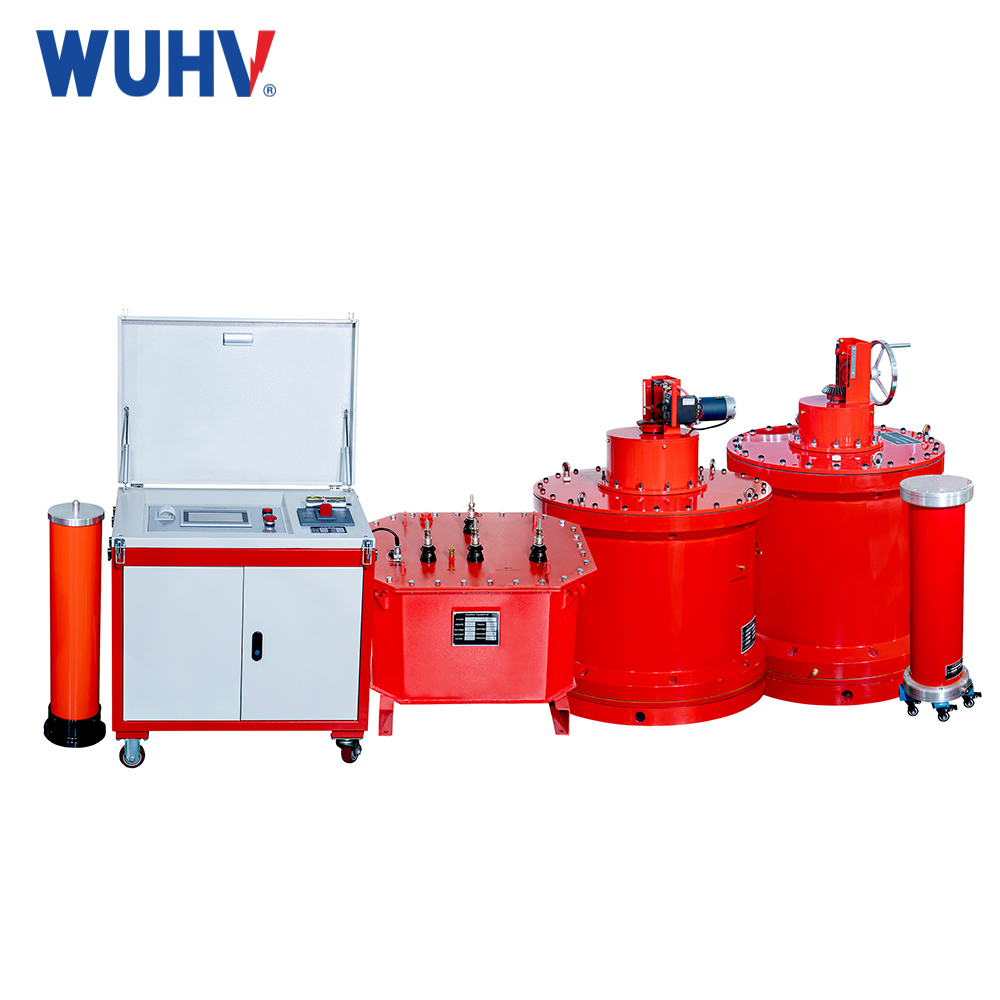
We enjoy a stable and convenient power supply every day, but do you know that behind this is a complex power transmission system? Among them, high-voltage cables play a crucial role. When these 'power arteries' encounter problems, the consequences are unimaginable. At this point, a device called the "High VoltageTesteur de défaut de câble" becomes particularly important. It is like the "health guard" of the power system, able to timely detect and locate the "lesions" of cables.
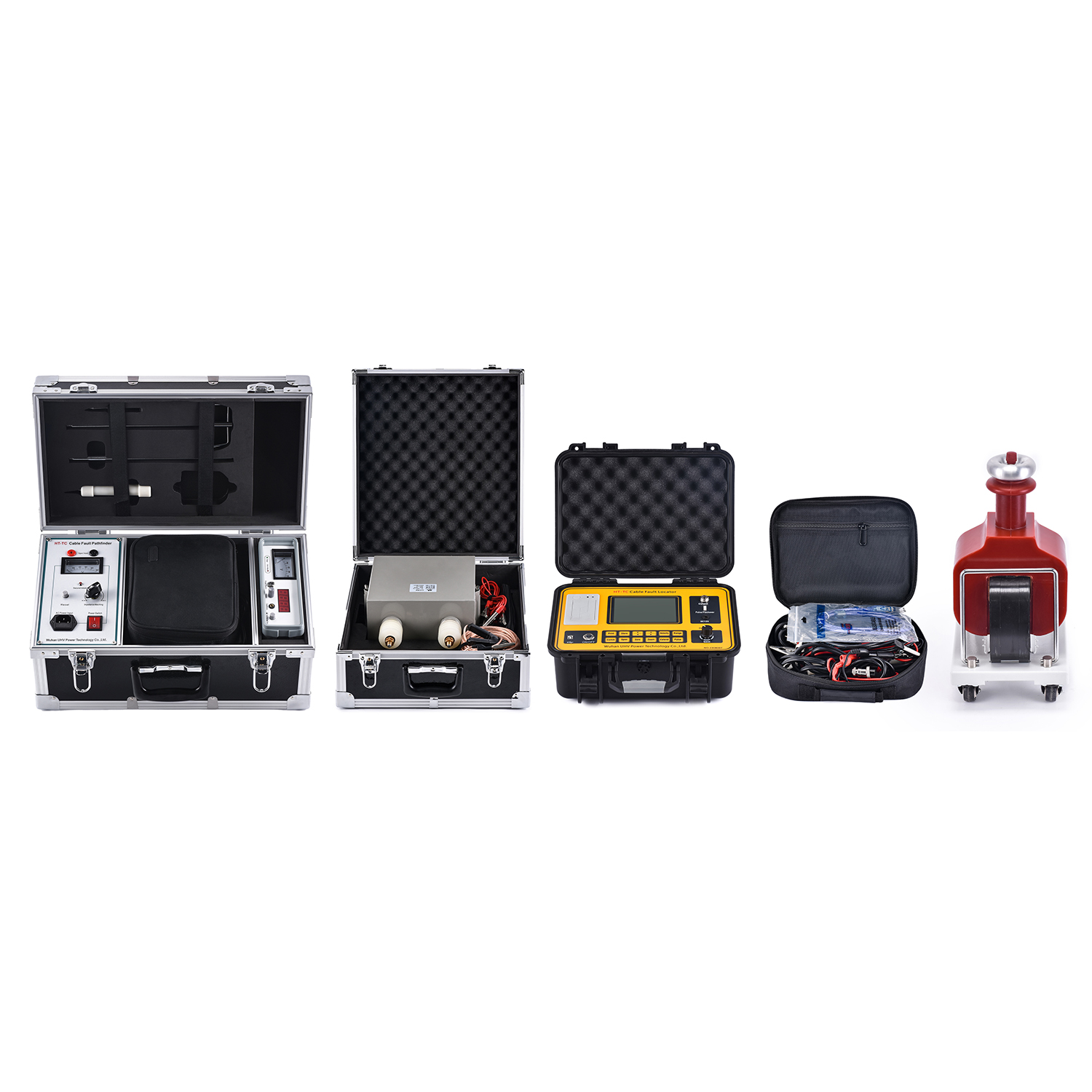
What is a high-voltage cable fault tester?
Simply put, a high-voltage cable fault tester is a specialized instrument designed to detect the location of faults in high-voltage power cables. It uses a series of principles such as electromagnetic pulse, reflection, or capacitance measurement to determine whether the insulation layer of the cable is damaged, short circuited, grounded, or disconnected. Just like how doctors use instruments to perform "CT" scans on the human body, it can "see through" the inside of cables and identify problems.
What are the 'hidden hands' behind the fault diagnosis?
There are various types of cable faults, which pose certain challenges to fault testing:
Insulation breakdown: This is the most common fault that can occur when the cable insulation material ages, becomes damp, or is damaged by external forces.
Short circuit and grounding: Low resistance connections between wires or between wires and the ground can cause high currents, which may lead to equipment damage in severe cases.
Wire breakage fault: The internal conductor of the cable breaks, causing power transmission interruption.
External force damage: Accidents such as construction and excavation may directly damage the cable.
In addition to the condition of the cable itself, environmental factors such as soil moisture and interference from underground metal pipelines may also affect the test results.
Equipment Upgrade: A Modern Tool for Fault Testing
Fortunately, technology is advancing and high-voltage cable fault testers are constantly innovating. Nowadays, testing equipment has more powerful functions and easier operation.
Pulse Reflection Method (TDR): By emitting electromagnetic pulses and analyzing the signal reflected back at the fault point, the fault distance is calculated.
Capacitance method: Measure the capacitance change of the cable to determine the fault.
High voltage spark method: For some high resistance or flashover faults, electric sparks can be generated by applying high voltage to achieve precise positioning of the fault point.
These advanced technologies enable Wuhan UHV Power Technology Co., Ltd.'s equipment to quickly and accurately locate the fault point, greatly reducing power outage time and lowering maintenance costs.
How can we do better? ——The combination of experience and technology
To better utilize high-voltage cable fault testers, not only advanced equipment but also professional skills and rich experience are needed.
Proficient in instrument operation: Operators need to undergo professional training to understand the principles and applicable scope of various testing methods.
Comprehensive analysis of test data: A single test result may not be comprehensive enough, and it is necessary to make a comprehensive judgment based on on-site investigation, cable archives, and other information.
Regular maintenance and calibration: Ensuring the normal working condition of the instrument is the foundation for obtaining accurate test results.
Wuhan UHV Power Technology Co., Ltd. has been committed to providing reliable solutions for the power industry. Their professional technicians have accumulated a wealth of experience in practical work and can help users better cope with various complex fault situations.
It should be noted that the testing of high-voltage cables is a hazardous operation and must be carried out by personnel with professional qualifications under strict safety measures.
Frequently Asked Questions (FAQ)
What types of cables are high-voltage cable fault testers mainly used for? Answer: Mainly used for power cables of various voltage levels, including medium voltage and high voltage cables.
What factors affect the accuracy of the tester? Answer: It is mainly affected by factors such as cable length, fault type, environmental interference, and the performance of the instrument itself.
How to choose a high-voltage cable fault tester that suits your needs? Answer: It is necessary to consider the voltage level, length, and possible types of faults of the tested cable based on actual work requirements when selecting.
Can the fault tester locate all types of cable faults? Answer: Most common types of faults can be effectively located, but some special or extremely hidden faults may require more advanced equipment or a combination of multiple methods.
What are the advantages of the high-voltage cable fault tester from Wuhan UHV Power Technology Co., Ltd? Answer: Wuhan UHV Power Technology Co., Ltd. has a profound technical accumulation in research and development and production. Its equipment usually has the characteristics of high precision, high reliability, easy operation, and can provide professional after-sales service.