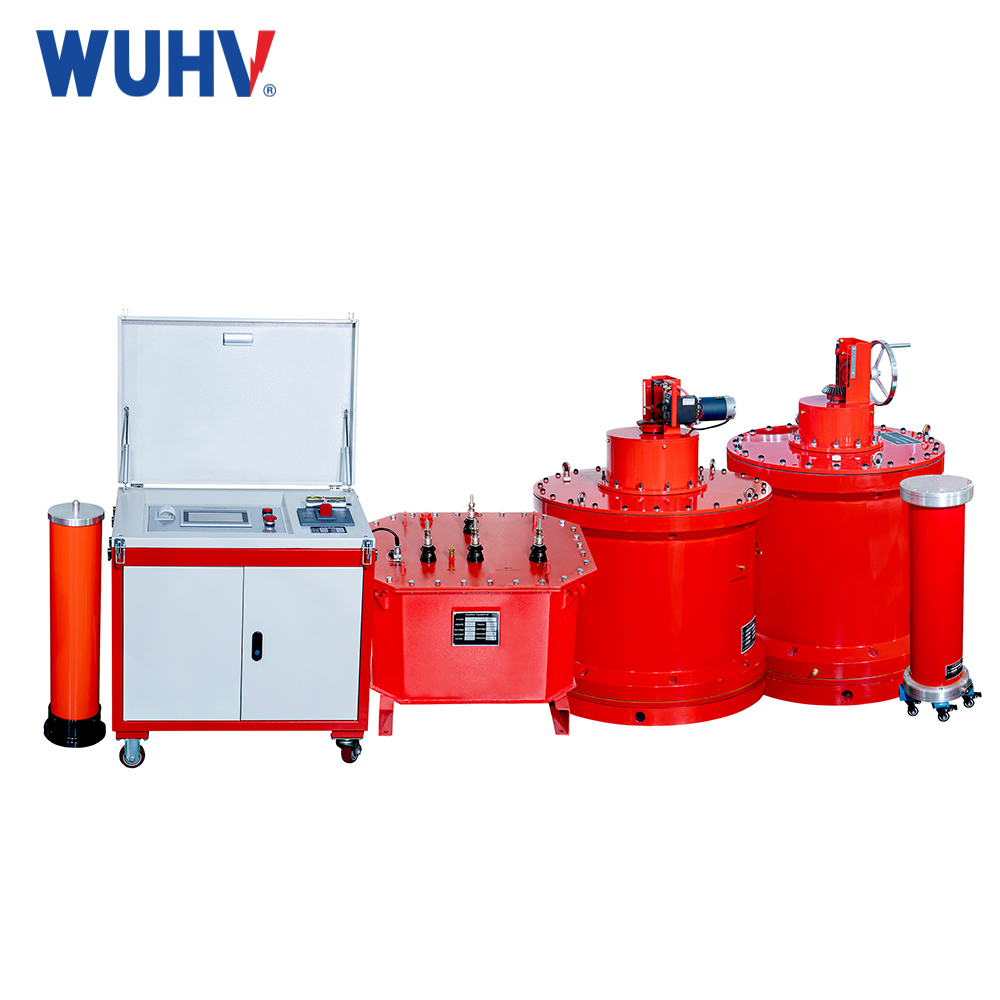
In the grand picture of safe operation of the power system, the word "grounding" is not just a simple physical connection, but also a key barrier to ensure the safety of equipment and personnel. As the core indicator for measuring the effectiveness of this barrier, the accurate and reliable value of "grounding resistance" is crucial. How does the grounding resistance verification device ensure this indicator? Today, let's delve into this topic in depth.
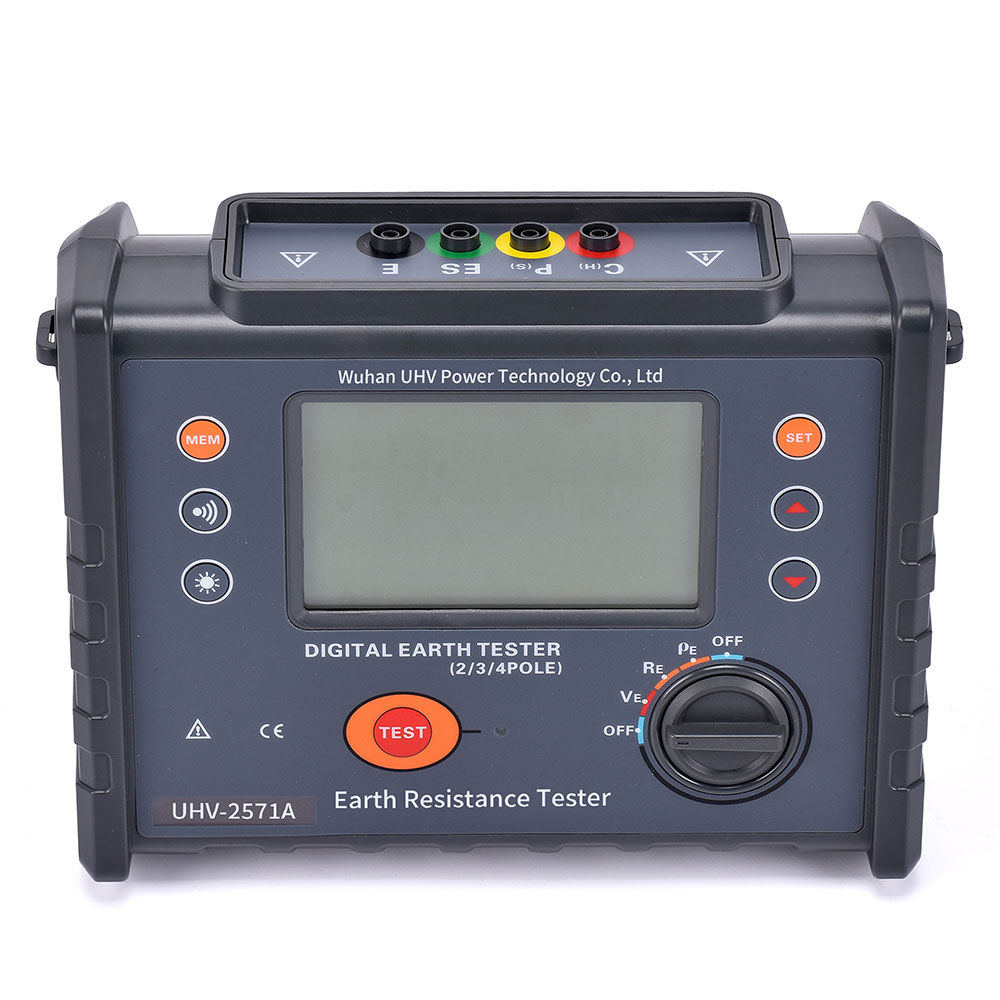
Grounding resistance verification device: the "precision eye" that safeguards power safety
Simply put, a grounding resistance testing device is an instrument specifically designed to measure and evaluate the resistance value of a grounding system. Imagine that the grounding system is like a "safe channel" for electrical current. In the event of leakage or malfunction, it can quickly direct abnormal currents into the ground, thereby avoiding equipment damage and personnel electric shock. The smaller the grounding resistance, the smoother the "safe passage" and the better the protection effect.
Key factors affecting grounding resistance
The value of grounding resistance is not constant and can be influenced by various factors
Soil resistivity: The moisture, composition, temperature, and other factors of the soil can affect its conductivity, thereby directly affecting the grounding resistance.
Depth and shape of grounding body burial: The deeper and larger the surface area of the grounding body, the better the contact with the soil, and the lower the resistance.
The soil condition around the grounding body: Whether the soil around the grounding body is compacted and whether there is filling material will have an impact.
Seasonal changes: Dry seasons or freezing in winter can significantly increase soil resistivity.
Verification device and related tools
Accurate verification of grounding resistance requires professional tools. In addition to the grounding resistance verification device itself, common auxiliary equipment also includes:
Grounding down conductor clamp: used to safely and reliably connect the verification device to the grounding body.
Measurement electrode: In some measurement methods, auxiliary electrodes inserted into the soil are required.
These tools work in conjunction with the grounding resistance verification device to ensure the accuracy of measurement data.
How to achieve more accurate calibration?
To obtain more reliable grounding resistance data, you can start from the following aspects:
Choose the appropriate calibration method: Based on the actual situation, choose different measurement methods such as the three pole method and the four pole method.
Ensure good measurement environment: Avoid measuring during thunderstorms or extremely dry soil.
Regular calibration and maintenance: Ensure that the grounding resistance calibration device itself is in good working condition and perform regular calibration.
Wuhan UHV Power Technology Co., Ltd., as a leader in the industry, has outstanding performance in the field of grounding resistance verification through its research and development of a series of products, providing solid guarantees for power safety.
Grounding Resistance Verification and Power Grid Safety
Grounding resistance testing is not just a routine inspection, it is closely related to the stable operation of the entire power grid. Accurate grounding resistance value is an important basis for determining whether the grounding system is qualified, which can effectively prevent power accidents caused by poor grounding and ensure the safety of people's lives and property. Wuhan UHV Power Technology Co., Ltd. has always been committed to providing customers with high-quality power detection equipment and solutions, helping to build a safer power grid.
Thoughts on optimizing grounding effect
In addition to regular inspections, we can also optimize the effectiveness of the grounding system through some proactive measures:
Improve soil resistivity: Use materials such as resistance reducers to improve the conductivity of the soil around the grounding body.
Increase the number or area of grounding bodies: When a single grounding body is difficult to meet the requirements, joint grounding or increasing the surface area of buried grounding bodies can be used.
Regularly inspect the grounding lead: ensure that the grounding lead is free from breakage, corrosion, and other phenomena.
The products of Wuhan UHV Power Technology Co., Ltd., such as its advanced grounding resistance measuring instrument, can help users comprehensively evaluate the status of the grounding system and provide scientific basis for optimization measures.
Frequently Asked Questions (FAQ)
Q1: What is the measurement principle of the grounding resistance verification device? A1: It is common to use Ohm's law to calculate the resistance value by applying a certain current and measuring the voltage drop. Specific methods include the three pole method, four pole method, etc., to reduce measurement errors.
Q2: Why are there differences in the grounding resistance values of the same grounding body measured at different times? A2: Mainly affected by changes in soil resistivity, such as soil moisture, temperature, seasonal variations, etc.
Q3: What is the general qualification standard for grounding resistance? A3: The qualification standards for grounding resistance may vary depending on different application scenarios and national/industry standards, usually requiring a specific value or less (for example, some standards require less than 4 ohms or 1 ohm).
Q4: What are the maintenance points for the grounding resistance verification device? A4: Keep the instrument clean and dry, calibrate regularly, check if the connecting wires and probes are intact, and avoid using it in harsh environments.
Q5: Apart from testing devices, what other methods can improve grounding effectiveness? A5: The grounding effect can be optimized by improving soil resistivity, increasing the number or area of grounding bodies, and inspecting grounding down conductors.