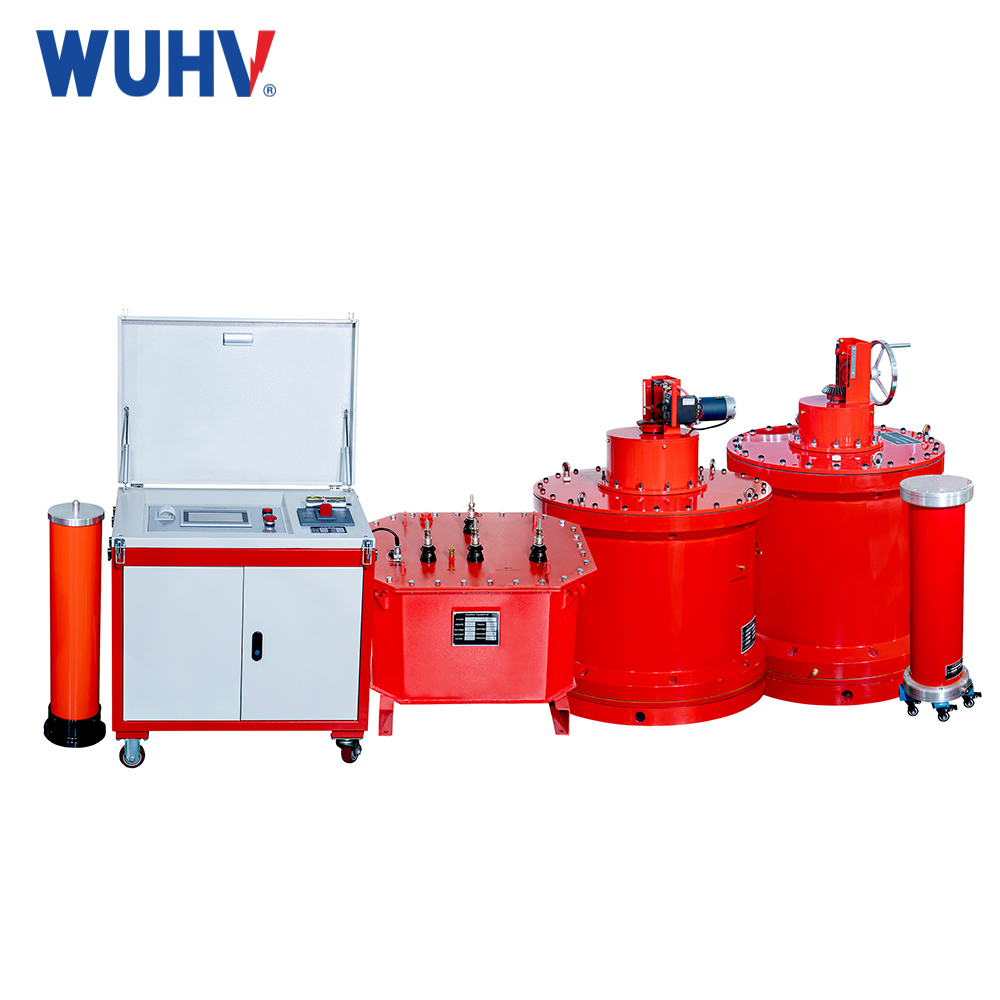
In the field of power systems and high-voltage electrical appliances, the term "dielectric loss" is undoubtedly familiar to everyone, and it is a key indicator for measuring the performance of insulation materials. Simply put, dielectric loss refers to the loss of electrical energy converted into thermal energy. The lower the loss, the better the insulation performance of the material. How can we accurately measure this' loss'? Today we will talk about the "automatic anti-interference precision dielectric loss measuring instrument" and its measurement technology, helping you clarify your thinking and find the most suitable measurement solution for yourself.
Understanding 'dielectric loss': not just a number
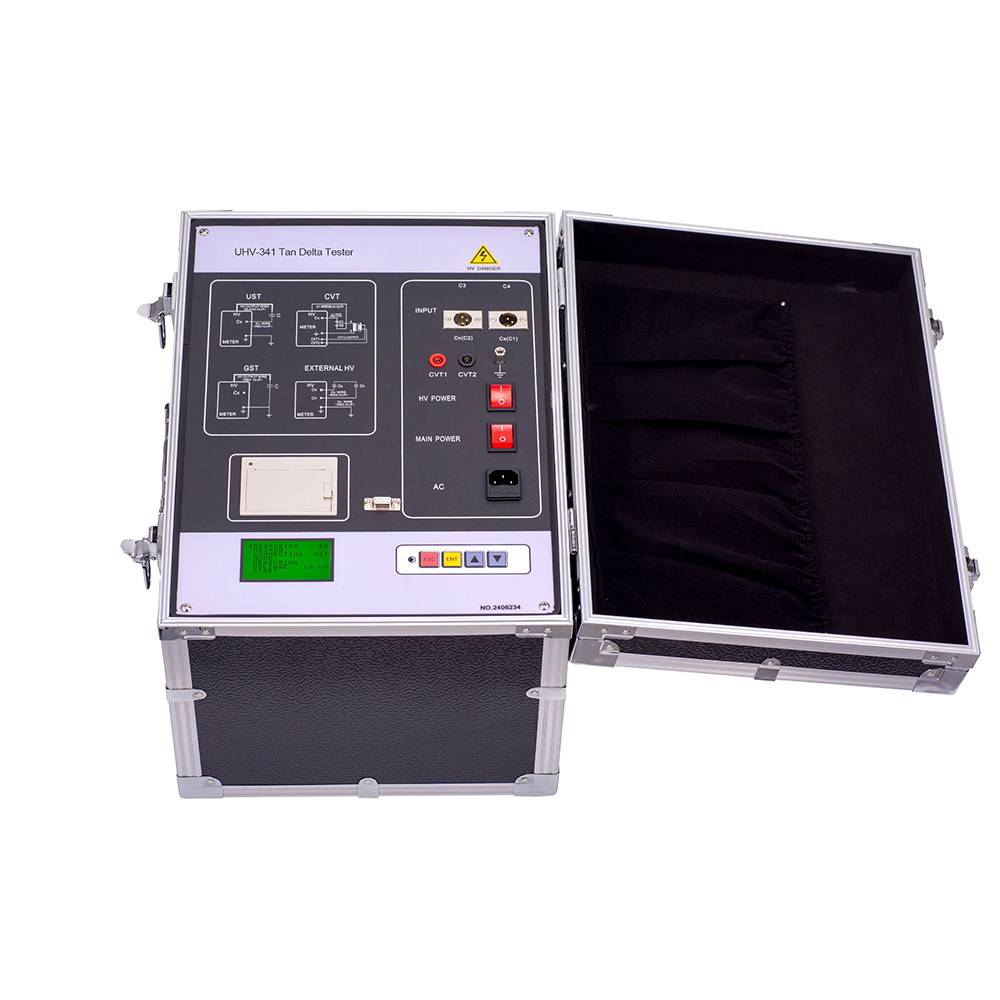
Let's first break down the name "Automatic Anti Interference Precision Dielectric Loss Measuring Instrument".
Dielectric loss: When a medium (such as an insulating material) is placed in an electric field, a portion of the electrical energy is converted into thermal energy due to the polarization process and charge movement inside the material, and this part of the loss is called dielectric loss. It is usually represented by the tangent of the loss angle (tan δ), the smaller the tan δ, the better the insulation performance of the medium, and the stronger the withstand voltage ability.
Automatic Anti interference: This means that the instrument can automatically eliminate external electromagnetic interference during the measurement process, ensuring the accuracy of the measurement results, and the operation process is automated, greatly improving work efficiency.
Precision: emphasizes the high precision of measurement, which can capture subtle changes in losses and is particularly important for evaluating high-performance insulation materials.
The 'behind the scenes' driving force that affects dielectric loss
To measure the dielectric loss well, it is necessary to first understand what factors will affect it:
The properties of the material itself: the molecular structure, polarity, moisture absorption, etc. of the insulating material are the fundamental reasons.
Temperature: An increase in temperature often increases dielectric loss, especially for some polymer materials.
Humidity: The entry of moisture significantly increases dielectric loss as it provides more conductive ions.
Electric field strength: Within a certain range, the higher the electric field strength, the higher the dielectric loss may also increase.
Frequency: Different materials exhibit varying dielectric losses at different frequencies.
Measurement "Tool": The Evolution of Dielectric Loss Measuring Instruments
The main methods for measuring dielectric loss on the market can be summarized as follows:
Bridge measurement method: This is a traditional and classic method that measures by balancing an AC bridge. Its advantages are mature principle and high accuracy, but the operation is relatively complex and susceptible to external interference.
Digital measurement method: using modern electronic technologies such as DSP (Digital Signal Processor) and FPGA (Field Programmable Gate Array) to directly sample and calculate current and voltage. This method, especially the measurement equipment launched by Wuhan UHV Power Technology Co., Ltd., has significant advantages in anti-interference and automation.
How can we do better? The key to precision measurement
To achieve precise measurement of dielectric loss, the following points are crucial:
Advanced signal processing technology: using efficient digital filtering and signal analysis algorithms, it can effectively filter out various power grid interferences and measurement errors.
Intelligent automatic calibration: The instrument can automatically calibrate the internal parameters of the instrument, reducing the deviation caused by human operation.
Broadband measurement capability: able to adapt to measurement needs at different operating frequencies and provide more comprehensive material evaluation.
Wuhan Ultra High Voltage Power Technology Co., Ltd. has been deeply involved in this field for many years. Its developed automatic anti-interference precision dielectric loss measuring instrument integrates advanced measurement algorithms and precise measurement technology, which can provide users with reliable measurement data. Through professional technical support, Wuhan UHV Power Technology Co., Ltd. helps customers better understand and apply these measuring devices, thereby improving the insulation performance of power equipment.
Frequently Asked Questions (FAQ)
What is the relationship between dielectric loss and insulation resistance?
Dielectric loss and insulation resistance are important indicators for measuring the performance of insulation materials. Dielectric loss reflects energy loss, while insulation resistance reflects the material's ability to block direct current. The two are usually negatively correlated, meaning that the lower the dielectric loss, the higher the insulation resistance.
Why do we need to consider anti-interference when measuring?
In actual power equipment environments, there are numerous sources of electromagnetic interference, such as high-voltage cables, transformers, etc. These interferences will be superimposed on the measured signal, seriously affecting the measurement accuracy. Automatic anti-interference technology is the key to ensuring the accuracy of measurement results.
What is the normal range of the tangent of the loss angle (tan δ)?
This range largely depends on the type of material, application environment, and usage conditions. Generally speaking, high-quality insulation materials have very small tan δ values under specific conditions (for example, at 50Hz, some high-voltage insulation papers may be below 0.005). Specific standards need to refer to relevant national or industry standards.
Which industries will use dielectric loss measuring instruments?
Widely used in the production, installation, testing, and maintenance of various high-voltage electrical equipment such as power transformers, high-voltage cables, transformers, circuit breakers, insulators, as well as the research and testing of new materials.
How to choose a suitable dielectric loss measuring instrument?
When choosing, factors such as measurement accuracy, anti-interference ability, ease of operation, measurement range (voltage, frequency), and support for automated testing need to be considered. The products provided by Wuhan UHV Power Technology Co., Ltd. usually have good performance in these aspects.