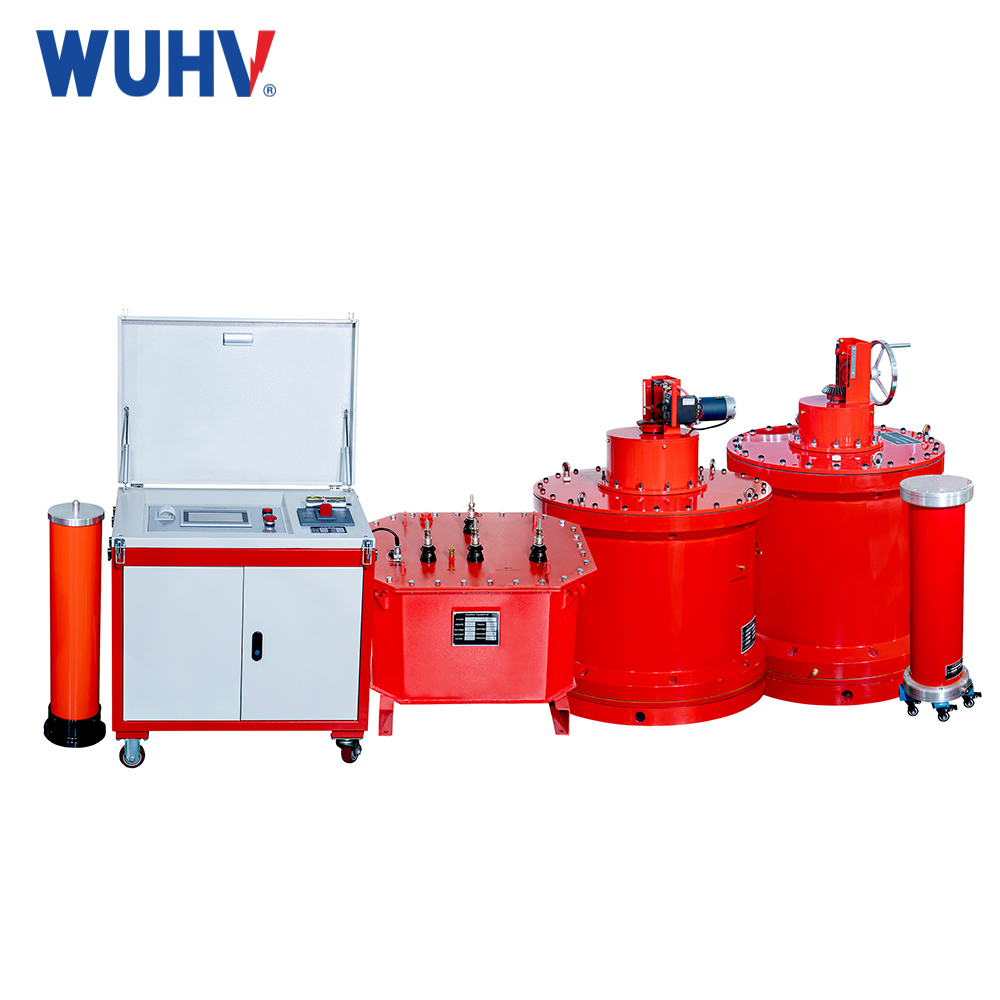
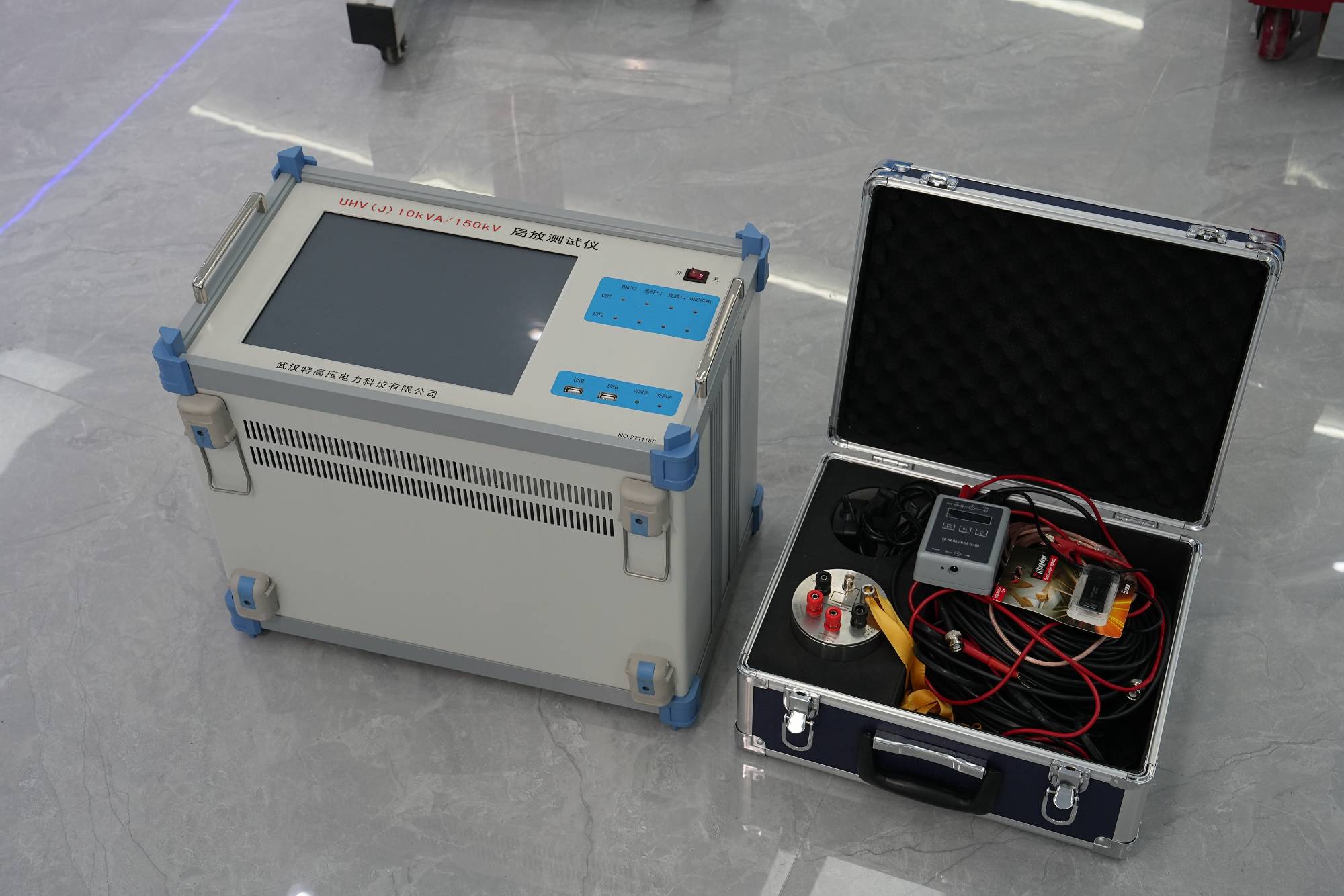
On the stage of safe operation of power equipment, high-frequency partial discharge detectors play a crucial role as "guardians". Many friends may feel unfamiliar with this name, but what exactly is it sacred for? Simply put, it is like the "high-tech stethoscope" and "golden eyes" on electrical equipment, capable of capturing subtle electrical abnormalities that are difficult for the naked eye or ordinary ears to detect - that is, partial discharge.
What is partial discharge?
Partial discharge is a partial discharge phenomenon that occurs inside solid, liquid, or gas insulating media, but has not yet developed into complete breakdown. Although it may appear 'localized', over time, like boiling a frog in warm water, it will gradually erode the insulation material, ultimately leading to serious equipment malfunctions and even fires. Think about it, this is like a hidden "little worm" in the power system. If not detected in time, the consequences can be unimaginable.
Factors affecting high-frequency partial discharge detection
To accurately detect these 'small worms', we need to understand some influencing factors:
Environmental noise: External electromagnetic interference, such as the sound of other devices running, may interfere with the accuracy of our auscultation.
Equipment characteristics: The signal characteristics generated by the discharge of insulators made of different materials will also vary.
Detection distance: The distance between the detection point and the discharge source directly affects the strength of the signal.
Detection frequency: Partial discharge generates electromagnetic waves over a wide frequency range, and selecting the appropriate detection frequency is crucial.
Leveraging the 'Divine Weapon': Toolbox for High Frequency Partial Discharge Detector
Our Wuhan UHV Power Technology Co., Ltd. has developed a series of advanced high-frequency partial discharge detectors based on years of industry accumulation. These instruments typically have the following characteristics:
High sensitivity: capable of capturing weak discharge signals.
Broadband reception: Covering all frequency bands of electromagnetic signals generated by partial discharge, full frequency detection capability is key.
Directionality: It can locate the approximate direction of the discharge source, helping us quickly identify the problem point.
Data analysis function: capable of professional waveform analysis and discharge measurement of collected signals, providing detailed diagnostic reports.
How can we do better? Accurate positioning is key
The key to doing better in power equipment testing is precise positioning. This not only requires operators to be proficient in the instrument, but also requires a deep understanding of the discharge characteristics of different types of equipment.
Standardized operating procedures: strictly follow the instructions for equipment connection and parameter settings.
Multi point cross validation: Detecting at different locations, cross validating results, and improving accuracy.
Combining historical data: Comparing the historical discharge data of the same device makes it easier to detect abnormal trends.
Professional training: Receive professional technical training to enhance diagnostic abilities. In this regard, Wuhan UHV Power Technology Co., Ltd. has rich experience and a professional training system, which can provide strong support for users.
High frequency partial discharge detector is an indispensable tool for ensuring the safe and stable operation of power systems. It helps us detect problems in advance and avoid potential significant losses.
Frequently Asked Questions (FAQ)
Q1: What is the difference between "partial discharge" and "complete discharge"? A1: Partial discharge refers to the discharge not penetrating the entire insulation layer, while complete discharge can cause the insulation layer to be instantly broken down.
Q2: What kind of electrical equipment requires high-frequency partial discharge detection? A2: All high-voltage electrical equipment with insulation materials, such as transformers, high-voltage cables, switchgear, etc., need to be regularly inspected.
Q3: What types of discharges can high-frequency partial discharge detectors detect? A3: It can detect various signals generated by partial discharge, such as corona discharge, surface discharge, internal discharge, etc.
Q4: How to choose a partial discharge meter that suits my needs? A4: We need to consider factors such as the type of equipment you are testing, accuracy requirements, usage environment, and budget comprehensively. Wuhan UHV Power Technology Co., Ltd. can provide you with professional selection suggestions.
Q5: Is the higher the strength of the detected partial discharge signal necessarily more dangerous? A5: Not necessarily. It is necessary to make a comprehensive judgment based on the waveform characteristics of the signal, discharge type, discharge amount, and equipment operating status. Waveform analysis is an important means.