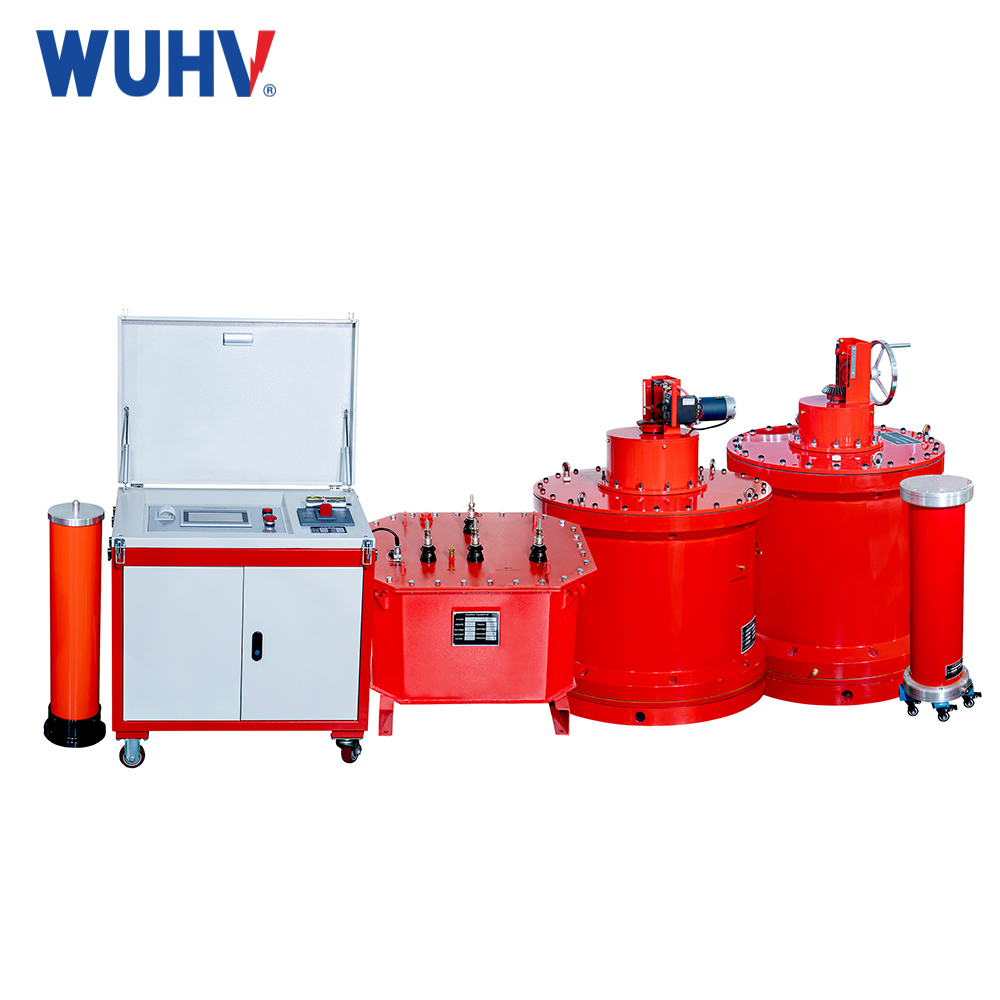
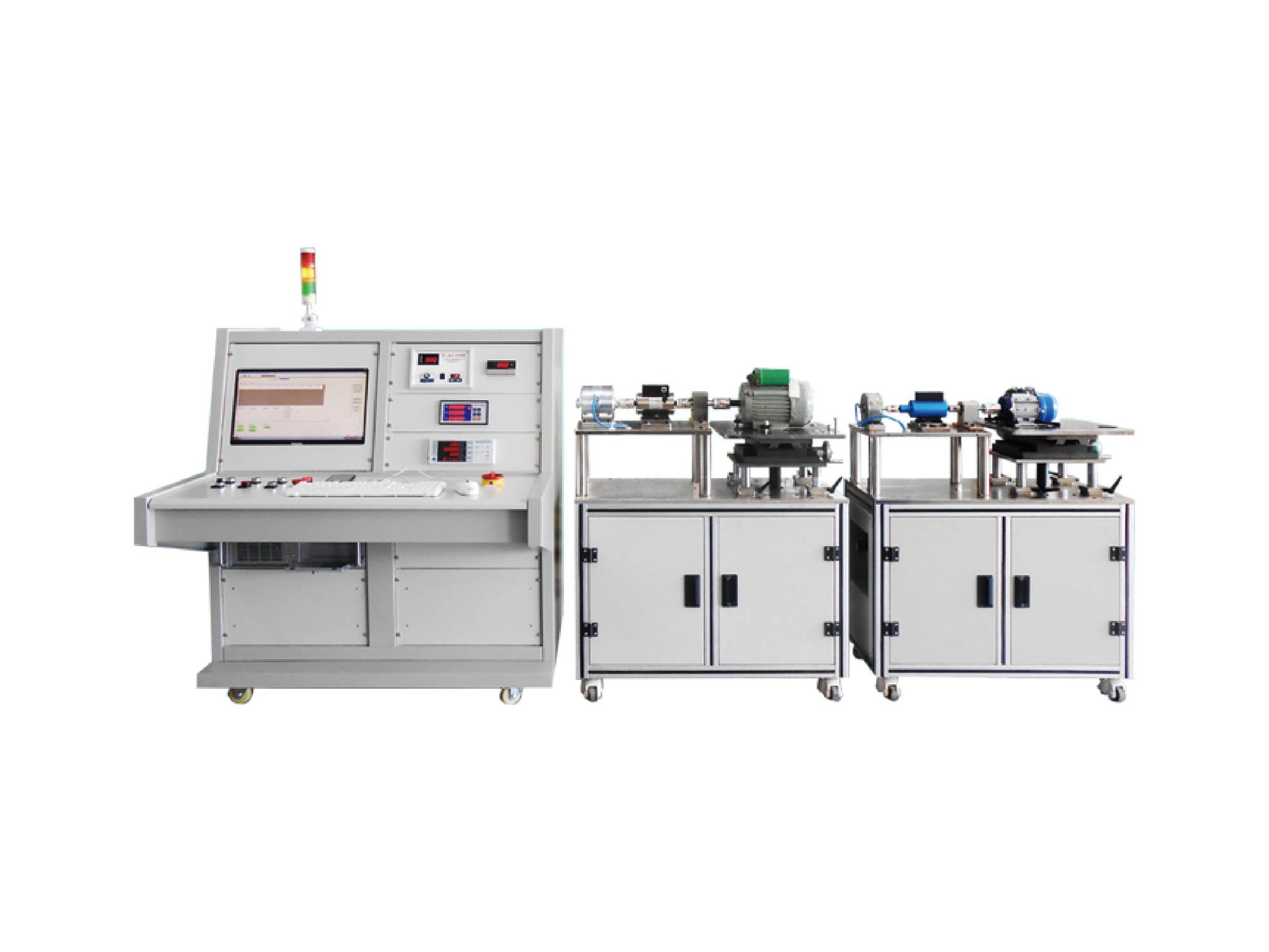
Le AC motor type test bench is a driving force for social development, and the development of motor technology is moving towards efficiency, reliability, and low cost!
There are various types of motors, roughly including DC motors and AC motors. There are many types of electric motors, and their usage scenarios are also different.
Regardless of the type of motor, various fault phenomena will occur during use, which can be divided into mechanical and electrical parts. The following provides a detailed analysis of the causes and symptoms of the malfunction.
53% of faults come from mechanical parts, such as bearing failures, imbalances, looseness, etc. 47% comes from the electrical part, of which 10% comes from the rotor (unbalanced air gaps, segment bars, etc. caused by casting defects, and 37% comes from the stator coils)
Reasons for failure: 24% overload, 17% humidity, 20% lack of lubrication, 1% chemical pollution, 5% dust particles, 10% single-phase operation, 12% bearing failure, 5% insulation aging, 6% others.
Power electrical measurement:
Voltage meter, current meter, power meter, data collector, power quality analyzer, dynamic efficiency meter
Power mechanical test:
Infrared analysis, vibration analysis, noise analysis
Static electricity test of AC motor type test bench:
Ohmmeter, milliohmmeter, insulation resistor, high voltage insulator, LCR testing machine, general diagnostic test: insulation resistance test
The insulation test of electric motors has always been an important part of motor testing, and the quality of the insulation state of the motor to the ground during operation directly affects the safe operation of the motor.
Conventional Diagnostic Method - High Voltage Impulse Comparison Test
Also known as inter turn withstand voltage test: the last test during motor manufacturing and maintenance. Generate a series of fast pulses and test the gradually decaying waveform of the comparative current. It can detect various potential faults such as inter turn insulation.
Similarly, it can also lead to potential crises: while identifying weak links, it can cause arc discharge, further weakening insulation, resulting in reduced insulation life or even breakage.
By analyzing and judging the above phenomena, we can assist customers in testing the electrical components of motors when purchasing a motor testing system, and reflect the quality of electrical insulation through motor testing instruments.
For the detection of the mechanical part of the AC motor type test bench, parameters such as voltage, current, power, speed, torque, and efficiency of the motor can be measured by a dynamometer. Can combine the faults of reaction machines and electrical components.